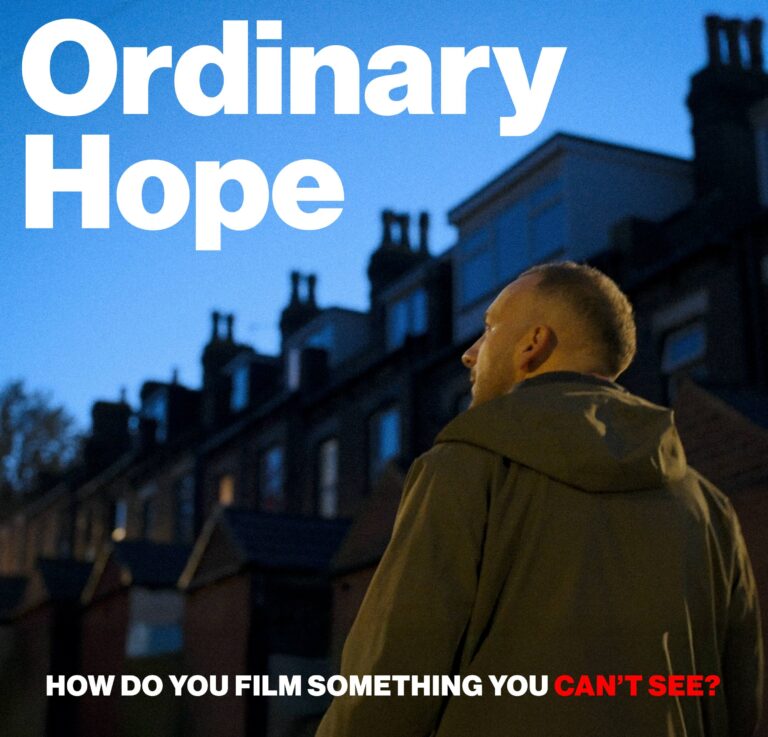
Ordinary Hope

Ordinary Hope - Making the Invisible Felt

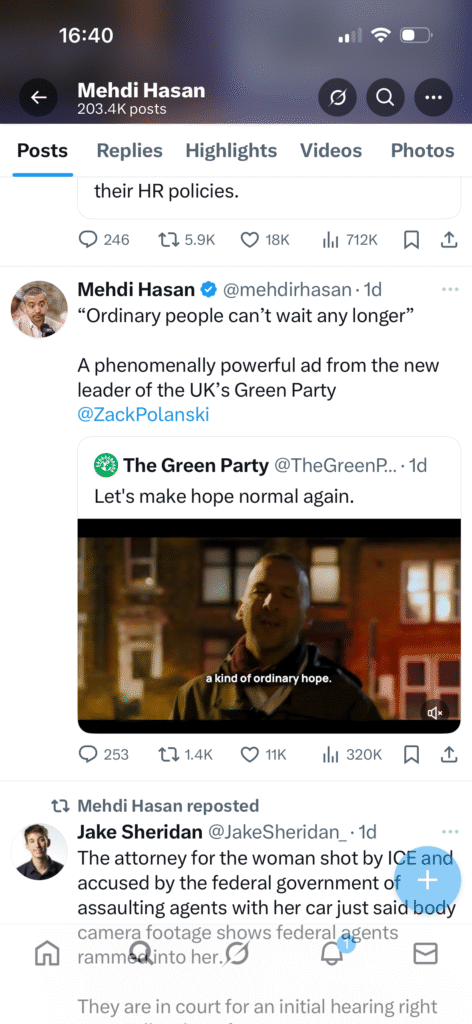
When the Green Party of England and Wales’ party political broadcast, “Let’s make hope normal again” was released, it reached over twelve million people on Twitter alone. That number is striking, but what mattered more were the reactions.

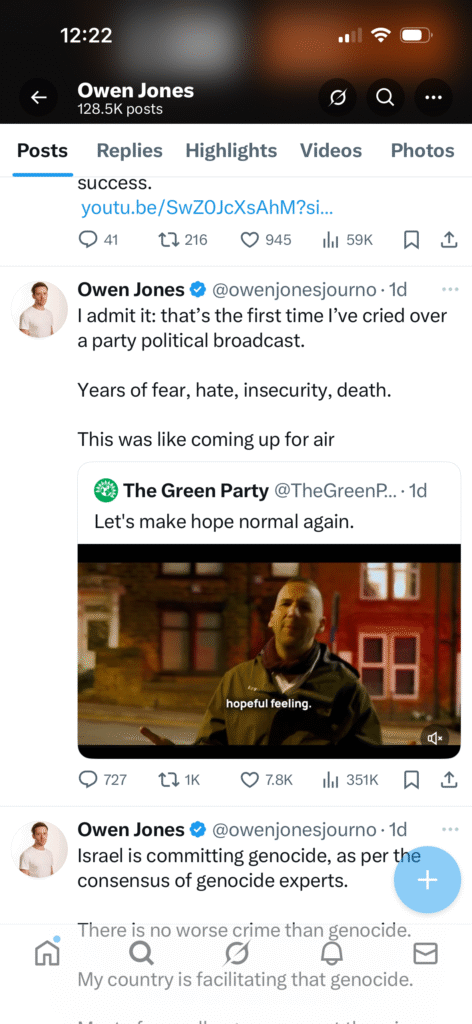
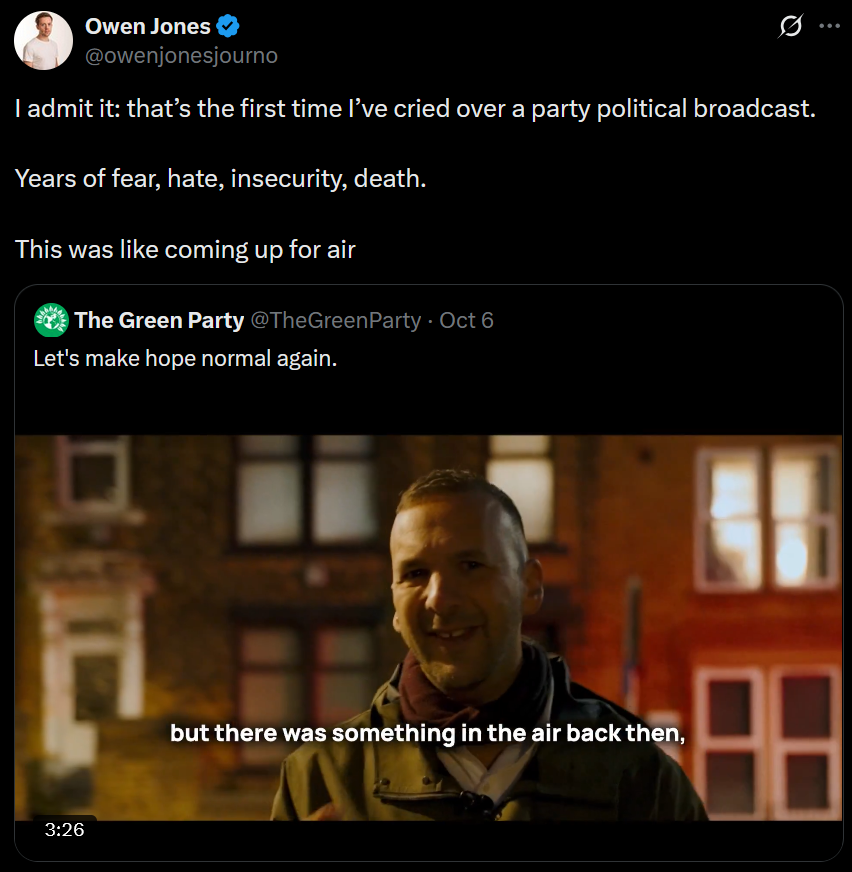
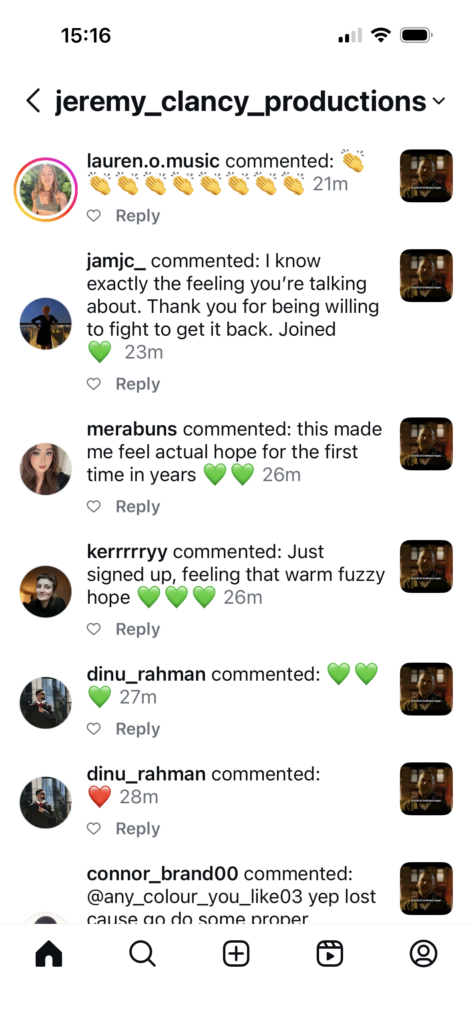
People didn’t just share it – they said it made them cry. They said it made them feel hopeful again. Owen Jones wrote that it hit him in the gut. Others said it was the first time in years that a piece of political communication had felt human.

At the centre of that response was Zack. He stood on the truth.

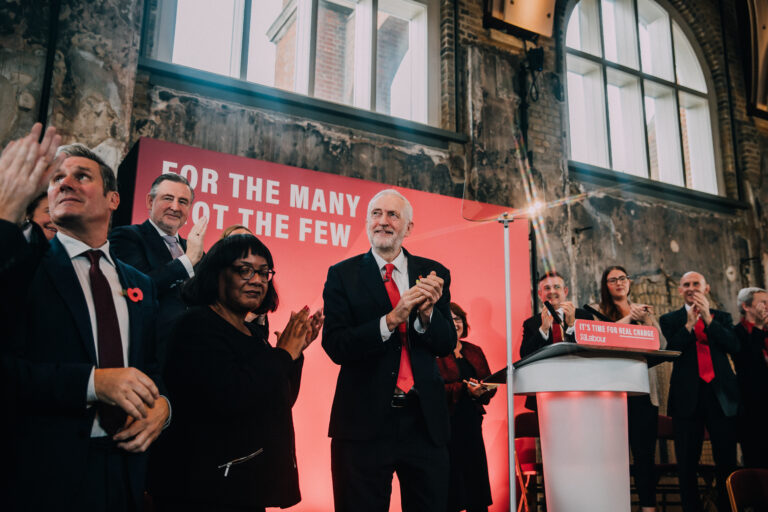
At a time when almost no one in mainstream politics was speaking clearly, he did. Labour had drifted away from anything resembling progressive conviction. Reform, the Tories, and the bulk of the media were selling the same comforting lies. Zack refused to play along.

That honesty was the starting point – but honesty alone doesn’t explain the reaction.

There was something else at work, something in the language, the rhythm, and the filmmaking itself. The challenge from the start wasn’t just to tell the truth; it was to make people feel a structural problem that’s normally invisible.

If you want more pieces like this, I write two sharp posts a month.

Sign up here.

How to Talk About Systemic Issues You Can’t See?

Most party political broadcasts try to do too much. They’re shopping lists – housing, the NHS, education, climate, transport – all thrown together and delivered in the same flat tone. The result is a blur of policies that no one remembers. They speak in the language of systems, not of human feeling.

We wanted to crack a single nut instead of half-cracking twenty. The nut was this: how do you show something you can’t see? How do you reveal an invisible system – wealth, inequality, the economy – that quietly decides who thrives and who suffers?

You can’t film “the economy.” You can only film its emotional footprint. So we decided the film would exist in service of a metaphor.

Everything – from script to pace to light – was built to reveal one invisible truth: the way wealth grows in the dark while ordinary people lie awake under its weight. It’s not an idea you can explain; you have to feel it. To keep that metaphor pure, we stripped everything else away.

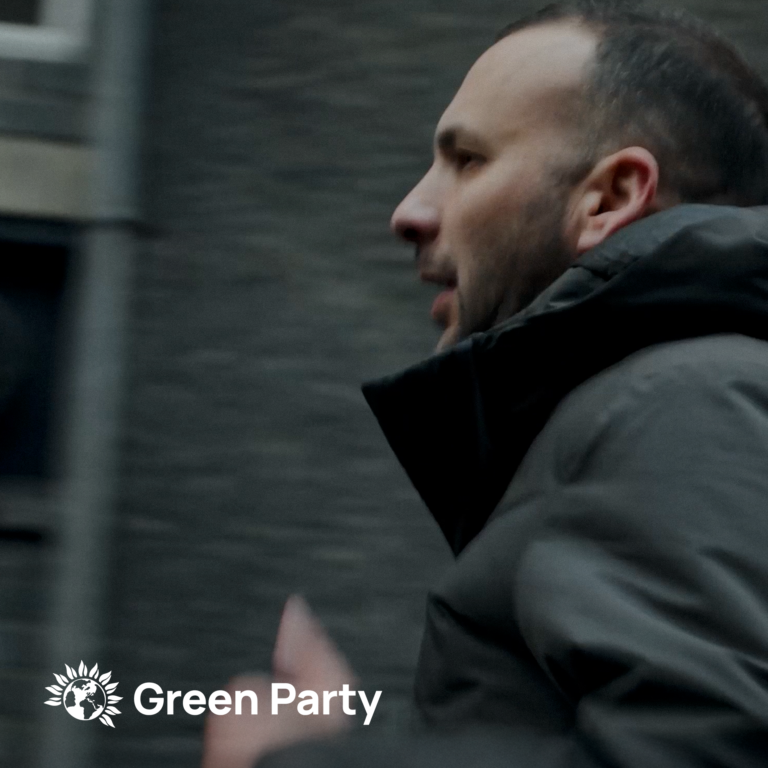
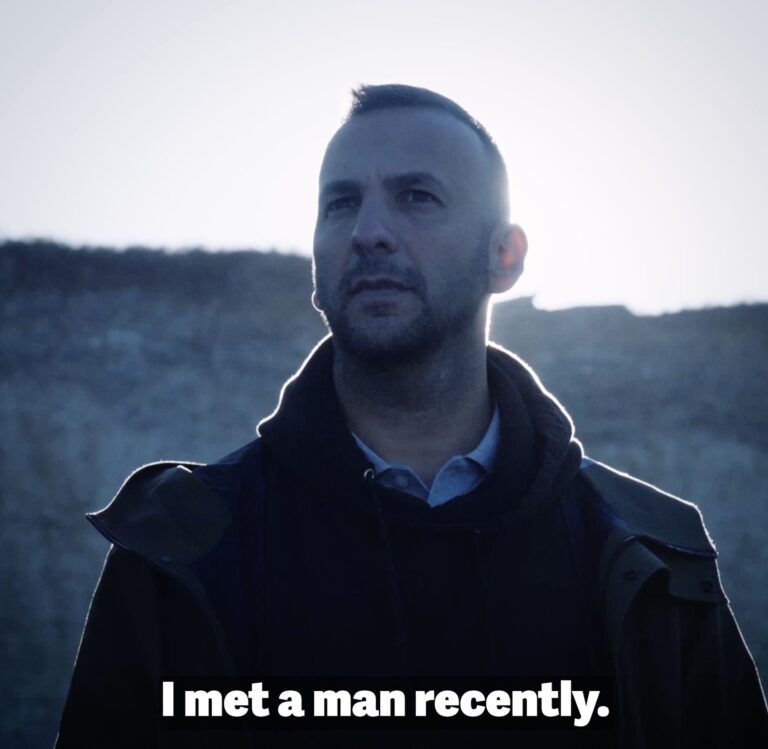
One man, one street, one dawn. No crowd scenes, no montage, no cognitive dissonance. Just Zack walking uphill from night to morning – the simplest possible frame, carrying enormous symbolic weight.

Even the edit rhythm follows that discipline.

The film begins with cuts – the noise and distraction of ordinary politics. Then, slowly, it stills. The pace slows, the camera holds. We enter an oasis of attention: a full minute without edits, just Zack talking about sleep, about how we all lie in the same darkness.

That’s the film’s heartbeat. It’s where the metaphor breathes. It’s also the moment the audience stops analysing and starts listening.
The Emotional Litmus Test - Ordinary Hope and the Modesty of the Ask

Beneath all the politics, Ordinary Hope was really about emotional weather – the shared atmosphere of fatigue, numbness, and quiet despair that defines Britain right now.

“Everywhere I went, I could feel it: people too tired to fight, too tired even to hope.” That was the emotional landscape we were trying to reach.

The phrase ordinary hope names something that’s gone missing – that light, everyday sense of possibility that once ran through the country. You can feel its absence like pressure in the air. And the act of naming that absence is the first step towards recovering it.

To become conscious of our inner weather – the grief, fatigue, and disconnection we’ve normalised – is itself hopeful. It’s the psychological moment when numbness gives way to awareness. That’s what people were responding to. They weren’t being persuaded by argument; they were being recognised.

And then there’s the modesty of the ask. Make hope normal again. It’s such a small sentence – almost embarrassingly small. In a culture of overstatement, where every party promises transformation and no one delivers, this line lands differently. It doesn’t offer heaven; it offers balance. It says: we know things are broken, and we know repair starts small – with the simple act of wanting life to feel decent again.

That modesty is what gives the film its power. It’s believable. It’s human. It’s what people actually want. It cuts through the noise because it doesn’t shout. Maybe that’s why the film landed the way it did. Not because it promised change, but because it named the loss of it.

To make hope normal again, you first have to notice it’s gone.

Take-Homes for Activists

Speak from somewhere, not nowhere – choose real places. People believe geography more than slogans. Place carries memory, class, and truth.

Show what can’t be seen – systems are invisible; feelings are not. Use metaphor, rhythm, and light to make the unseen felt.

Honour emotional weather – Before you talk about change, name how people actually feel. Recognition is more radical than optimism.

Keep the ask modest – Ordinary hope is enough. Don’t sell utopia – restore sanity.

Simplicity builds trust – One idea, one voice, one emotional field. Hold attention without cuts and you can hold belief.

Communication is energy, not messaging – Don’t just inform – transform. If people feel more alive after watching, you’ve done your job.

The Importance of Hope

Zack Polanski and the Green Party are doing something different. Offering up hope. Pure. Simple. And potentially infectious.

In doing so they’ve been able to capture a section of public imagination. People are desperately seeking change. Looking for hope where that has been none for too long.

The calibration of our emotional barometer was correct and people sensed this.

This type of storytelling is extending a hand. But also doing so much more at the same time. The numbers don’t lie. Ordinary hope has been viewed by millions and millions across the country. On social platforms it has garnered hundreds of thousands of likes, thousands of comments and tens of thousands of shares. 

This has achieved significant organic virality, because it is what people are searching for. 

But it’s also doing more than that. It’s helping seed the ground for the Green Party to become a newly powerful force. A radical antidote to the radically right politics of Reform and Farage.

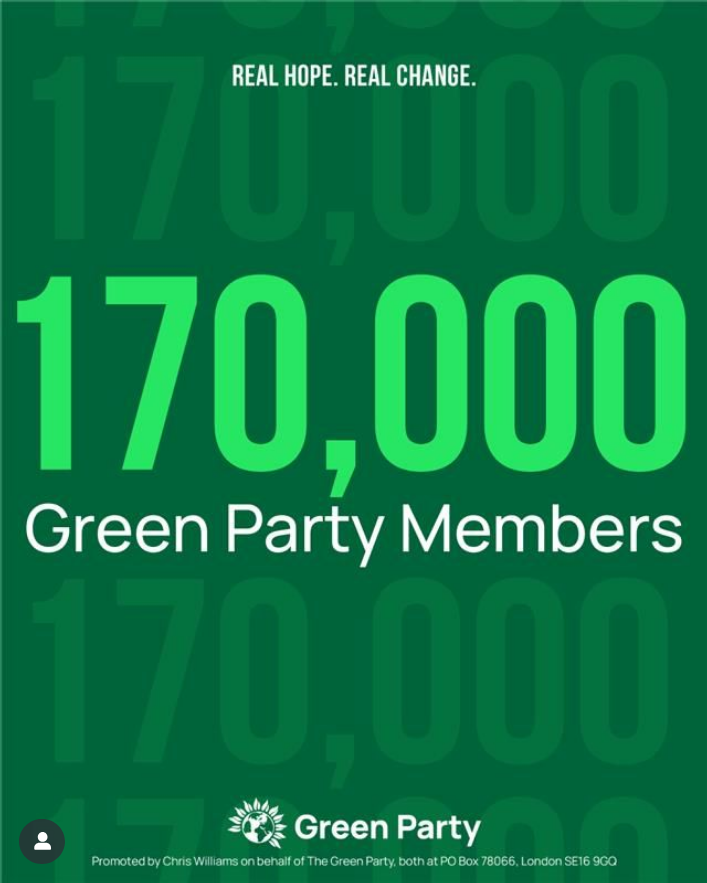
Offering hope has helped the Green Party build momentum. This has in turn played a part in swelling their party membership from around 90,000 at the time or release to a record-breaking 150,000 members at the time of writing.

If progressives are to win, we need to keep building hope. But we also need to turn hope and momentum into organising and power. That’s what keeps hope alive.

Scroll to Top