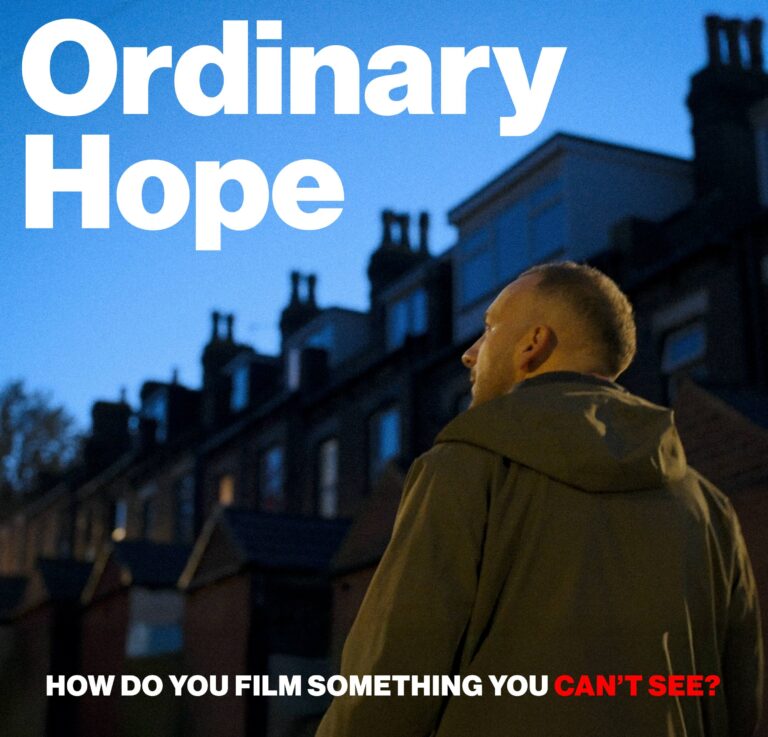
I’ve been thinking about some of the films I’ve made recently that have travelled further than I expected. Hopefully you have seen some of them.
They all have something in common.
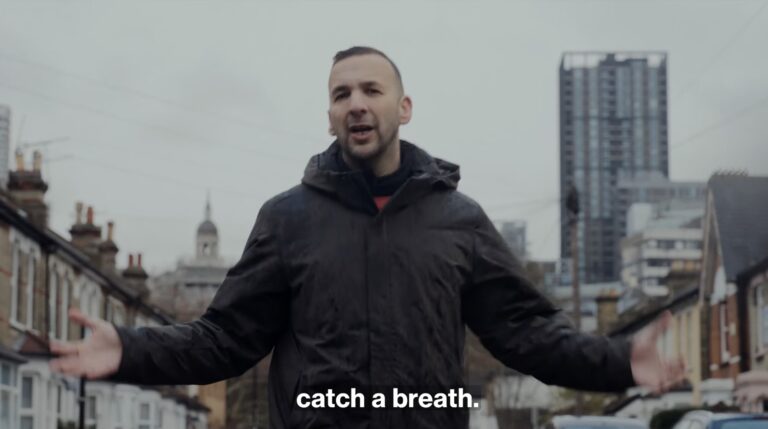
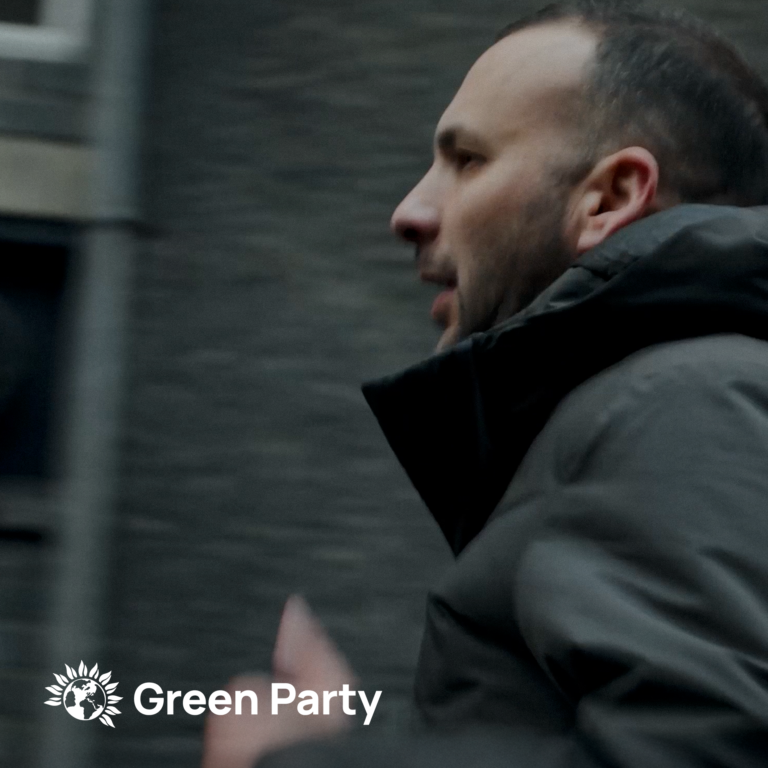
They’re slow. Often one person, one place, one idea. Not many cuts. Not much going on, at least in the conventional sense of overstimulation, and information overload.
Instead, they give a single thought time to develop and the audience time to make connections.
And I’m making new connections about my work all the time. I’m sharing them in the effort to help strengthen progressive narrative change to fight back against the rise of the far-right.
So here’s a slightly tongue in cheek manifesto that I’ve written for myself, and want to share with you too.
I’m calling it the Slow Grammar Manifesto and I’m rooting my filmmaking and narrative work in it.
The Manifesto
One person.
Stay with them long enough for us to stop waiting for the next thing and start listening.
One place.
Let the space accumulate meaning. Don’t move simply because you can.
One thought.
Expand one idea rather than compressing ten. Follow it until it becomes something.
Don’t cut because you’re frightened.
A cut should mean something. Don’t use it simply because you think the audience might leave.
Don’t illustrate everything.
We don’t need to see the thing being spoken about. Leave enough space for the audience to imagine it.
Let thoughts finish.
Hesitation, silence, repetition and uncertainty are not necessarily things to edit out.
Trust real time.
Sometimes watching something happen is more powerful than being told that it happened.
Don’t confuse stimulation with attention.
Keeping someone entertained is not the same thing as keeping them engaged.
Trust the audience.
They don’t need every connection made for them. Give them enough space to make some themselves. People are smart, looking for meaning in what they see.
Give attention back.
Create a space in which people are allowed to slow down, think and make connections — rather than being entertained into a distracted state.
Have fun.
It’s a grammar, not a fucking religion. Break every rule the moment the film needs you to.
Now it's your turn
Get out there.
Go out and experiment with film-making, storytelling and your comms work comms work. Test, experiment, learn, recycle, repeat. Break the mould, unlearn the conventions that shape 99% of what’s out there.
Dismantle comms for comms sake. Maybe even borrow from the Slow Grammar Manifesto, or not. But let’s make a commitment to stop doing the same failing shit.